- MEGA EUROPE Oral and Dental Health Polyclinic
- +90 (501) 319 60 06

LINGUAL ORTHODONTIC TREATMENT
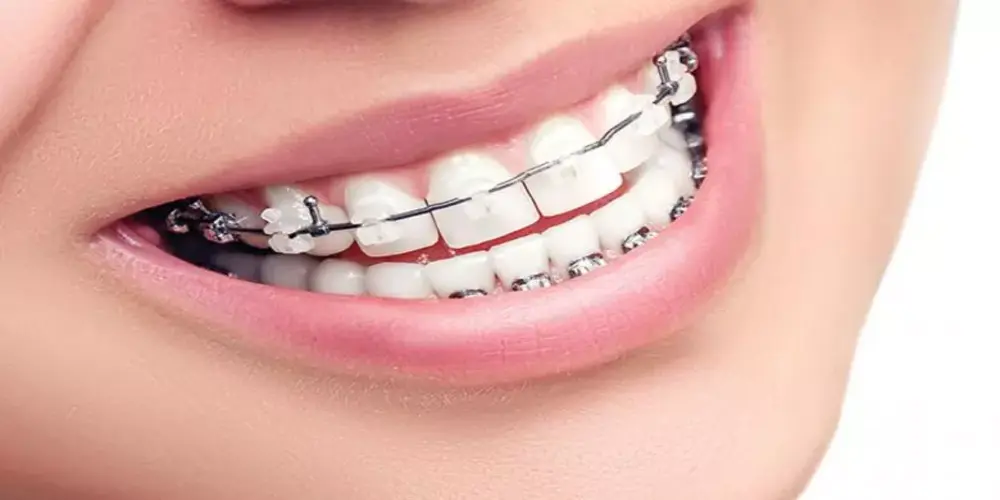
FIXED ORTHODONTIC TREATMENTS
16 February 2024
Our Doctors
7 June 2024
LINGUAL ORTHODONTIC TREATMENT
The desire for a healthy and beautiful smile currently motivates millions of people around the world to straighten their teeth with orthodontic treatment. However, for many, there is a serious obstacle to treatment: They do not like the look of traditional metal braces. However, it is possible to solve this problem with lingual orthodontic treatment.
Lingual braces have the same components as traditional braces, but are attached to the back of the teeth. Because they are behind the teeth, they are almost invisible.
Are lingual braces more uncomfortable than other braces?
No matter what type of braces you choose, you will experience discomfort when your teeth start to move. Most people experience this pain as a dull ache and can often be relieved with over-the-counter medications. You’ll probably want to eat soft foods like yogurt, rice, and soft-boiled eggs until the pain subsides.
Braces can also cause pain when they come into contact with the soft tissues inside your mouth. With lingual braces, the tongue is a common site of pain. For some patients, the discomfort of lingual braces is significant. To increase patient comfort, more manufacturers are making lingual braces smaller and softer.
What are the pros and cons of lingual braces?
Advantages
Lingual braces are almost invisible.
They fix most problems effectively.
They can be customized to increase your comfort and maximize their efficiency.
Disadvantages
Lingual braces can be more expensive than other braces.
They can cause significant discomfort, especially at first.
They may last longer than traditional braces treatments.
