- MEGA EUROPE Oral and Dental Health Polyclinic
- +90 (501) 319 60 06

FLAP OPERATIONS

DENTAL STONE CLEANING (DETETRAGE)
16 February 2024
BONE AUGMENTATION
16 February 2024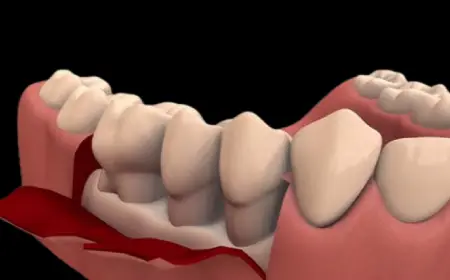
FLAP OPERATIONS
Flap Operations; When advanced gum disease occurs, your teeth are in danger. At this stage, you may begin to lose your teeth as the ligaments and bone tissue surrounding them are destroyed. If the disease cannot be controlled with nonsurgical treatments such as cleaning, flap operations may be the best treatment option.
Flap surgery is currently the leading method in the treatment of periodontal disease. In the areas below the gum line, where the gum tissue separates from the teeth, a cleanable area emerges where harmful bacteria can multiply. These bacteria cause inflammation of the tissues, resulting in tenderness, bleeding, and pain. If left untreated, they can cause a number of problems, including gum disease, loss of the bone structure that supports the teeth, and even systemic (whole body) problems.
When periodontal pockets develop, the first step in treating them is usually with cleaning with a manual or ultrasonic device. If this is not effective, flap operations are performed.
Goals of Flap Operations
One of the main purposes of flap surgery is to eliminate or reduce the unhealthy tissue itself. A flap-like incision is made in the gum tissue to access this tissue. This allows diseased tissue to be removed from within the gums and provides access to the root surfaces of the teeth for a thorough cleaning that helps eliminate harmful plaque and calculus. The area is then closed. This provides a transition to a rapid healing process.
Another purpose is the renewal of lost periodontal ligament and bone tissue. A variety of techniques can be used to achieve this, including high-tech bone grafting methods and chemicals called growth factors. These approaches help restore the gums to their normal form and function and ensure healthy and safe anchorage of the teeth.
Flap Surgery Stages
Flap surgery is typically performed under local anesthesia, sometimes accompanied by oral anti-anxiety medications; Alternatively, it can be performed under intravenous conscious sedation. After anesthesia, a small incision is made to separate the gums from the teeth. The outer gum tissue slowly folds back to provide access to the roots and supporting ligament and bone tissue. Next, the inflamed tissue can be removed and the tooth roots cleaned. If necessary, the area may also be treated with antibiotics or other medications. Finally, the incision is closed and the procedure is completed.
